
571·
6 hours ago“But what if it means two in a row!?!?!!?”
That’s a literal claim from some Republicans.
“But what if it means two in a row!?!?!!?”
That’s a literal claim from some Republicans.
So it’s more true to reality?

Sorry, the best they can do is a stern letter.
Do the people voting for this shit understand that their kids will also be subject to this bullshit?
Don’t spread these LIES. Just like banning abortion, it’s only a ban for THOSE promiscuous girls, not my darling baby girl. If she ever got into “trouble” she would get an exception.
As if they’d use a glove.
Same for St Louis, but we’re at least driving distance from a blue state (even if southern Illinois is crazy Republican country).
If autonomous driving was actually safe, I would understand. But at this rate you’re probably more likely to kill someone with auto driving on than just by being old.
But I’ve always wondered, if someone is injured/killed by a “self-driving” car, does the owner/driver get in trouble? The car manufacturer?
The Hiss are there.
This will be such a bad thing in 2028 if/when a Democrat is president.
It’s expensive. Sure you can start off with an old laptop, but soon you’ll want external storage to hold more images/media.
Then you’ll realize that if you just got a dedicated mini-pc you could host more containers. Oh! What if you get multiple identical PCs and then you cluster them for HA/zero downtime maintenance?!
Shit, but then you would need more than the little integrated 4 port switch on your Netgear router.
No matter! Switch to a virtualized pfsense, ditch the Netgear router and go for a 12 port switch.
Smash cut to a few years later when you’re spec’ing fiber switches/SFP+ for 10Gbps and Proxmox nodes with an extra 4GB ram so your ceph cluster doesn’t fall over randomly… Wait, why is my electric bill now $400/mo?
I’ve been seriously considering downgrading my homelab, but at this point between the *arr stack and Immich, I’m not sure if I can.
The “biggest decrease of value” assumes that, to you, the value of the car is determined by what you could sell it for. But that’s not the case. To you, the value of the car is what you spent on it. You then amortize that value of the car over the years you operate it.
This. I just was able to buy my first ever “new” new car after years of every “new” car being at minimum 10 years old. I’ve got an '06 Forester with nearly 200k miles on it, and I’m hoping this new one will last as long (but I kind of doubt it).
Regardless, I’m not leasing, not planning on selling in 5 years. To me, the peace of mind of a new car warranty is worth it and it gets way better mileage than the old Forester.
Would you make someone you love a home server?
No. Especially no for a non-technical, remote person.
Troubleshooting my lab in the basement is hard enough without having to try some weird screen share app, or telling the person, “press the blinky light button. NO NOT THAT ONE”.
If you want to share the joys of a home lab, do what I did for my technologically impaired in laws - get a wireguard VPN client on a laptop and walk them through (several times) the process of connecting to the VPN, browsing to your services, logging into the services, doing the thing, then disconnecting from the VPN.
My in-laws are now experts at VPN’ing in and interacting with my services.
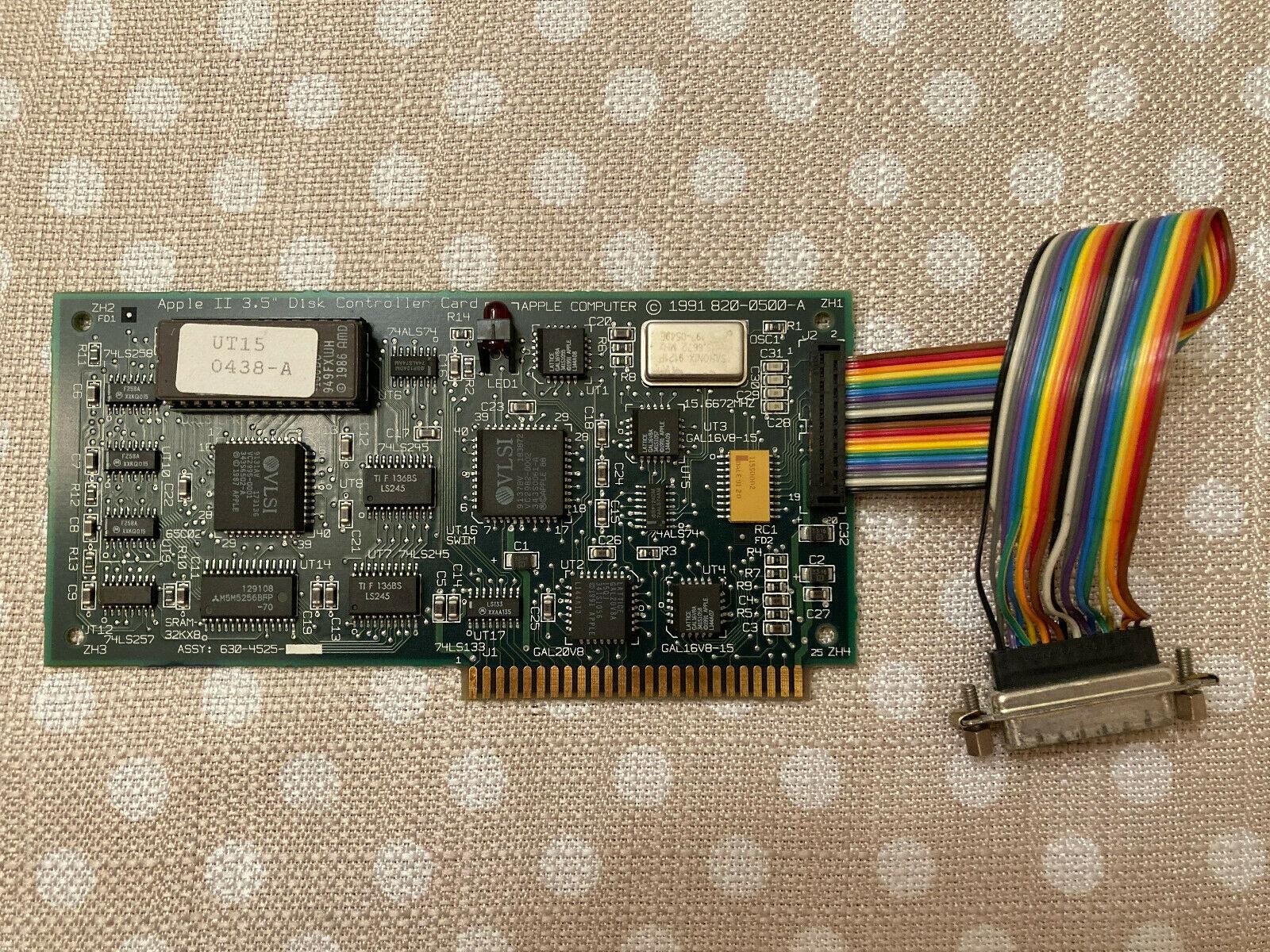
My first thought was ripping apart something like an Apple IIe ribbon cable.

I’m one of those! I’ve nearly 100% completion, and it’s been great.
These games always add so much world building through notes and audio logs, I find myself seeking our every collectable I can find.
No, it’s “Gentleman, start your engines!!”
Regressives?
Because Photoshop is far superior to gimp for… reasons? But Photoshop costs $$$$$, so this is like free.
/s
Honestly, the only thing not to like about GIMP is the name. There was a fork a while ago, but that closed down.
At work, I used ssh-signed certificates for Linux server access - those certs are only valid for about 15 minutes.
The whole idea of shorter lifetime certificates is to address if a certificate is compromised. (Especially for client certificates which, iirc, Let’s Encrypt no longer offers).
For a home lab? With no externally accessible services? Short-lived certs aren’t really a big deal. Nobody is going to be hacking your homelab, stealing your private keys, poisoning your internal DNS, and pointing you to a different, malicious service.







I’ve heard this too. Utter insanity. Quick, dig up and reanimate the corpse of Carter.